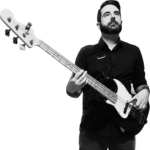
Escaping the Pitfall of “Playing Guitar on Bass”
It can be a trap that even the greatest, most seasoned bass players can fall into. The dreaded “playing guitar on bass” is a common misconception that bass is just like guitar but with fewer strings. However, the truth is that these two instruments serve completely different purposes in a musical context. While the bass can be used as a lead instrument, it is primarily the bass player’s responsibility to hold down the groove and provide a solid foundation for the lead instruments and/or singer. Unfortunately, in my younger days and even now, I have often fallen into the trap of playing too many notes.
Understanding the Distinctive Roles of Bass and Guitar
Bass and guitar serve distinctive roles in music. The guitar often takes on melodic and harmonic duties, while the bass is responsible for anchoring the rhythm and providing a foundation for the entire band. Understanding and embracing these unique roles is essential for bass players aiming to excel.
Embracing the Essence of Bass: Groove, Foundation, and Support
The essence of bass lies in its ability to create a captivating groove, establish a solid foundation, and provide support to the overall musical composition. By focusing on these fundamental aspects, bassists can elevate the entire band’s performance and contribute to an unforgettable musical experience.
The Temptation of Overplaying: A Common Trap for Bassists
The allure of playing too many notes is a common trap that many bassists, including myself, have fallen into. The desire for attention and the urge to showcase technical prowess can lead to overplaying, overshadowing the primary role of the bass. It is crucial to be aware of this temptation and strive for balance and restraint in our playing.
Striving for Simplicity: The Path to Musical Excellence
Simplicity is the key to unlocking musical excellence on the bass. Even in genres like jazz fusion, where intricacy is appreciated, the primary goal remains holding down the groove. Simplifying bass lines and focusing on the essence of the music enhances the overall musicality and impact of our performance.
Lessons from Trailblazers: Balancing Technique and Groove
Learning from accomplished bass players offers valuable insights. While some virtuosic bassists can play a million notes a second, they do so sparingly. The majority of their playing revolves around holding down the groove, emphasizing the importance of balancing technique with groove and maintaining a strong foundation.
Impact of Feedback: The Power of Playing Less
A turning point in my musical journey occurred when a lead guitarist in a straight-ahead rock band turned to me and said, “Steve, you’re really good at the bass, but can you play less notes?” This comment stuck with me and made me realize that what truly matters is not the number of notes we can play or how fast we can play them. It’s all about the groove on the bass. This feedback highlights the significance of playing less and focusing on overall musicality and groove.
Remember, if you’re playing for fun at home, feel free to experiment and explore all the sounds and techniques the bass offers. Just like the guitar, you can palm mute bass notes, play dead notes, use natural and unnatural harmonics, and more. The possibilities on the bass are endless. However, when playing in a band or for gigging purposes, simplifying your bass lines and embracing the groove will make you everyone’s best friend. In the accompanying video, I demonstrate what not to do on bass and provide tips on how to create simple yet funky basslines.